2003: Chota Pepsi - Ad Analysis

AI Editor notes
Straight from the gut!!
“This is a time capsule of early 2000s Indian advertising, and it absolutely works. It's loud, colorful, and built around a simple, solid idea. Using Paresh Rawal was the key—his comedic timing makes the whole thing land. The strategy is transparent: go after the volume market with a low price point. But they wrapped this commercial strategy in a creative idea that made 'cheap' feel like a smart, funny choice. It’s a classic for a reason.”
Quick Summary
Pepsi masterfully launched its low-priced 'Chota Pepsi' not by simply announcing it was cheap, but by creating a comedic narrative that celebrated being broke. Using beloved actor Paresh Rawal, the ad reframed financial limitation as a smart, carefree lifestyle choice, brilliantly twisting its iconic 'Yeh Dil Maange More' tagline into 'Yeh Dil Maange Little More' to make an affordable product feel clever and aspirational.
Executive Summary
This 2003 Pepsi commercial is a textbook example of how to launch a mass-market, low-price-point product in a competitive landscape without devaluing the parent brand. It's a masterclass in leveraging cultural insight with comedic execution to make a purely commercial message feel like entertainment.
The Core Insight: The ad is built on a simple, universal truth for its target audience: young people aspire to modern lifestyles and brands, but are often constrained by their budgets. The social tension of not having enough money, especially on a date, is a highly relatable source of anxiety. Instead of ignoring this reality, Pepsi tackles it head-on, suggesting that having less money isn't a weakness, but a smarter, simpler way to live.
The Execution: The ad follows a classic Problem-Solution structure, wrapped in a humorous, musical format.
- Problem: The setup is immediate. A young man is challenged by his date: "You don't have any money." This establishes the core conflict—his inability to live up to the aspirational standard.
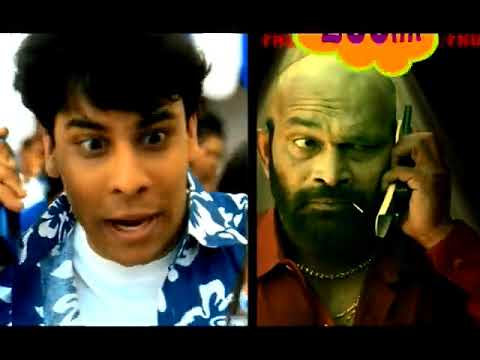
- Re-framing the Problem: Instead of succumbing to the embarrassment, the protagonist (played by Paresh Rawal) launches into a fantasy where being broke is actually a superpower. He humorously rationalizes his financial state through a series of vignettes: if he had more money, he'd be dealing with gangsters demanding crores; if he were rich and handsome, he'd be overwhelmed by fans. The sequence culminates in him appearing as a group of enlightened monks who have renounced worldly desires, singing that "the best things in life are kaafi sasta" (quite cheap).
- Solution/Payoff: The ad returns to reality for the reveal. The problem of being broke is solved by 'Chota Pepsi' at just 5 Rupees. It's the tangible proof of his fantasy—an aspirational product that is now accessible. The final genius stroke is the twist on Pepsi's famous tagline, "Yeh Dil Maange More" (This Heart Wants More). [2, 4, 6] His date playfully changes it to "Yeh Dil Maange 'little' More," perfectly summarizing the product proposition: all the brand aspiration, in a smaller, affordable size.
The Debrief: The key lesson from this ad is how to handle a price-point strategy with creative flair. The team didn't just put a price tag on the screen; they built a narrative that gave consumers permission to choose the cheaper option and feel good about it. The casting of Paresh Rawal, a versatile and beloved actor, was critical. He brought a comedic authority that made the absurd situations believable and funny. This ad successfully introduced a key volume-driving product while simultaneously reinforcing Pepsi's brand personality as witty, youthful, and in tune with Indian culture.
Theme Keywords
Brand Position
The smart, witty, and fun choice for the new generation.
Brand Archetype
Jester
Creative Game Plan
Turn the potential shame of being broke into a point of pride by showing that the best things in life are now affordably within reach.
Diagnosis: Issues & Solutions
Primary Issue: Emotional Connection
The Problem:
The ad's humor is almost entirely centered on the male protagonist's perspective. The female character is portrayed as a one-dimensional, somewhat materialistic figure whose approval is won over by a cheap soda, which feels dated by modern standards.
The Solution:
The ad could have been strengthened by making the couple a comedic duo. Give the female character more agency; perhaps she could have been the one to champion the idea that fun doesn't have to be expensive, making the final 'little more' line feel like a shared secret rather than just her acceptance of his budget.
Secondary Issue: Strategic Sense
The Problem:
While highly effective for a launch, the strategy is fundamentally based on a price point, which is the easiest attribute for a competitor to copy. The ad's long-term strategic defense is relatively weak once the novelty of the Rs. 5 price wears off.
The Solution:
To build a more defensible position, the creative could have connected the 'little more' idea to an emotional benefit beyond price. For example, framing it as 'a little more spontaneity' or 'a little more fun anytime,' subtly shifting the focus from just being cheap to being conveniently accessible for everyday moments.
Additional Notes
Related Links
Credits
Share this Analysis
More Pepsi ad breakdowns
- PEPSI_PTC_2022Pepsi
- Pepsi BBQ CrashersPepsi
- Pepsi_Music_Promo_UzPepsi
- Pepsi | Thirsty For MorePepsi
- That Is One Dirty Soda, Santa | PepsiPepsi
- Pepsi Football Nation: Rule #96 When Our Track Plays, We DancePepsi
- Pepsi CNY 2024: Finish the UnfinishedPepsi
- #SeMeAntojaGuate con Pepsi y Luisito Comunica 🇬🇹Pepsi