1996: Dhara Jalebi ad - Ad Analysis

AI Editor notes
Straight from the gut!!
“This is one of the all-time greats from India. It's so simple it hurts. No fancy effects, no celebrity just for the sake of it. Just a universal story: a kid gets mad, wants to run away, but the pull of home (and mom's cooking) is too strong. It's pure, effective, and unforgettable. The brand is almost secondary, yet it owns the entire emotional moment. That's confidence.”
Quick Summary
This ad cemented Dhara's place in Indian culture by brilliantly ignoring product features and instead associating the brand with an irrefutable human truth: the pull of home, symbolized by a mother's love and food, is the most powerful force in the world. It's a masterclass in using simple, emotional storytelling to rescue a brand from a price-based perception and transform it into a beloved household name. [2, 8]
Executive Summary
The Dhara 'Jalebi' ad is a textbook example of how a simple, human story can achieve what product-feature checklists never can: a permanent place in the hearts of consumers. Facing a crisis where sales had plummeted after government subsidies were withdrawn, Dhara was perceived as a cheap 'ration' oil. [2, 4] The brand didn't need to talk about purity or price; it needed to connect on a much deeper level. The agency, Mudra Communications, understood this perfectly.
The Core Insight: The foundational insight is profoundly simple: the most powerful pull in the world isn't a grand adventure, but the unconditional love found at home, an emotion often expressed through the simple act of preparing food. A child's anger, no matter how potent, is no match for the promise of a favorite treat made by their mother. This insight transcends demographics and time, making the ad as potent today as it was in 1996.
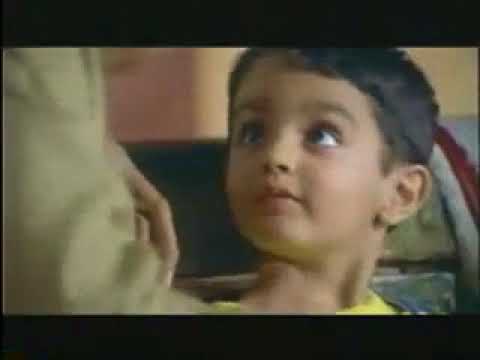
The Execution: The ad uses a classic Setup-Turn-Payoff narrative structure. The Setup establishes the emotional stakes: a little boy, Bablu, is heartbroken and determined to run away. The melancholic music and his sullen expression create a genuine sense of childhood sadness. The Turn is the critical moment of intervention. Ramu Kaka, an elderly character, doesn't scold him but instead deploys a clever piece of emotional bait: the mention of "garma-garam jalebi" (hot jalebis) being made at home. The entire emotional trajectory of the ad pivots on the boy's single, wondrously delivered line: "Jalebi?" It’s a moment of pure, unadulterated delight that instantly dissolves his anger. The Payoff is the resolution. We see the boy racing home, not in defeat, but in happy anticipation. The final scene around the family dinner table, where his plan to leave is playfully postponed by "20-25 years," solidifies the message. Dhara oil isn't shown until the very end, positioning it not as the hero of the story, but as the silent enabler of this moment of familial love and reconciliation.
The Debrief: The key lesson from this campaign is the power of owning an emotion rather than a feature. In a commoditized market like edible oil, functional benefits are easily copied. Emotional territories, once captured, are much harder to conquer. This ad taught a generation of marketers that you don't need to shout your brand name from the rooftops. By telling a story that people genuinely loved and remembered, Dhara became intrinsically linked with the powerful feelings of home, security, and a mother's love. It's a strategy that builds brands for decades, not just for the next quarter.
Theme Keywords
Brand Position
Dhara is the essential ingredient for a mother's love, turning everyday meals into cherished family moments.
Brand Archetype
The Caregiver
Creative Game Plan
Demonstrate that the emotional pull of home, perfectly symbolized by a favorite food made with love, is irresistible.
Diagnosis: Issues & Solutions
Primary Issue: Strategic Sense
The Problem:
For an ad this iconic, finding a true pitfall is difficult. However, its greatest strength—subtlety—could also be seen as a minor risk. The connection to the brand is purely emotional and associative, appearing only in the final seconds.
The Solution:
In a modern, hyper-cluttered media environment, the brand might need to be integrated slightly earlier or more directly to ensure it isn't lost. A quick, loving shot of the mother pouring the oil could have been added without disrupting the narrative flow, bridging the story to the product more explicitly for viewers who might miss the final pack shot.
Secondary Issue: Clarity of "What's Next?"
The Problem:
The ad's objective was brand building, not direct response, so a hard call-to-action was unnecessary. However, it relies entirely on the viewer to connect the warm feeling to a future purchase decision, with no immediate prompt.
The Solution:
A simple end-line like 'Bring home the taste of love' alongside the pack shot could have provided a slightly stronger, more memorable link between the emotion and the product's role, reinforcing the brand promise.
Additional Notes
Related Links
Credits
Share this Analysis
More Dhara ad breakdowns
- 0% Milawat, 100% Swaad with Dhara Kachi Ghani Mustard OilDhara
- पतंजलि वर्जिन कोकोनट ऑयल के अद्भुत फायदे | Health benefits of Patanjali Virgin Coconut OilPatanjali Ayurved
- Healthy Waali Happiness- Har Tyohaar Healthy Happy, Jab Tel Ho Tirupati (65 Sec.)Tirupati Edible Oils
- #DiwaliKeBaadKiSafai | Happy Diwali | BN GroupSimply Fresh
- #HarLadkiDurga | Simply Fresh | BN GroupSimply Fresh
- #HappyHoli | Simply Fresh | BN GroupSimply Fresh
- Saffola Total_Dil Ki Umar Dekho- World Heart Day 2025, 20sSaffola Total