1989: Hot Shot - Just aim and shoot - Ad Analysis

AI Editor notes
Straight from the gut!!
“This is a straight shot of 80s advertising adrenaline. It’s cheesy, relentlessly upbeat, and the fashion is a time capsule. But it's undeniably effective. That jingle is an earworm of the highest order. The 'Khatak' sound effect is brilliant, making the brand name and the action one and the same. You watch this and immediately get it: this camera is for fun, not for pros. It's the Instagram of its day, as one expert noted. [2]”
Quick Summary
This ad did more than just sell a camera; it democratized photography for an entire generation of Indians. By positioning the Hot Shot not as a piece of technology but as a simple tool for fun, and hammering that message home with an unforgettable jingle and the iconic 'Khatak' sound, it transformed picture-taking from a serious, skilled hobby into an accessible, spontaneous part of everyday life. [2]
Executive Summary
The 1989 Hot Shot camera ad is a textbook example of how to launch a mass-market product by focusing on a single, powerful insight and executing it with infectious, unforgettable creative. At a time when photography was often perceived as a technical and serious affair reserved for those with skill, Mumbai-based Photophone Industries identified a gap. [2] The core human truth they tapped into was simple: people don't necessarily want to be photographers; they just want an easy way to capture and keep their happy memories. The Hot Shot campaign, led by agency Sista's and director Prahlad Kakkar, was built entirely around this insight. [5]
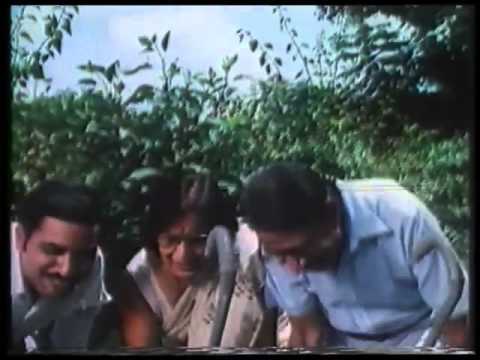
The execution follows a classic jingle-driven, lifestyle montage format, perfectly suited for building brand awareness. The structure is less a narrative arc and more a relentless delivery of the core message through repetition. The ad uses the AIDA (Attention, Interest, Desire, Action) model effectively. Attention is grabbed instantly with the onomatopoeic 'Khatak' sound, which Kakkar cleverly devised to be more evocative than a simple 'click' or 'shoot'. [5] This sound, paired with the upbeat jingle, is the hook. Interest is built through a rapid succession of vignettes—garden parties, birthdays, weddings, graduations—that are highly relatable to the Indian family audience. It showcases the camera not in a studio, but in the messy, spontaneous moments of real life. Desire is cultivated by showing the joy of using the camera. Every person holding the Hot Shot is laughing, and every subject is caught in a moment of surprise or delight. The product becomes a catalyst for fun. Finally, the Action is simplified to its core: 'Just aim. And shoot.' This tagline, repeated in the jingle and delivered by the voiceover, removes the primary barrier to purchase for a novice—the fear of complexity.
The debrief for this campaign would highlight the immense power of a strong sonic identity. The jingle and the 'Khatak' sound mnemonic were arguably more important than the visuals. They ensured the brand name was drilled into the collective consciousness, creating recall that lasted for decades. The campaign's success proved that for a challenger brand entering a market, prioritizing memorability and a clear, simple message over nuanced storytelling can be a winning strategy. It effectively carved out a new category for itself—the 'fun' camera—distinct from the more serious offerings from established players. [2]
Theme Keywords
Brand Position
The simple, fun, and affordable camera for every Indian family's happy moments.
Brand Archetype
The Jester
Creative Game Plan
Make photography feel as easy and fun as the sound of the camera's shutter.
Diagnosis: Issues & Solutions
Primary Issue: Strategic Sense
The Problem:
The ad brilliantly sells the *act* of taking a picture but misses a beat by not showing the *reward* of that action. We see dozens of 'Khatak' moments but almost never see the final printed photograph, which was the ultimate payoff for the consumer in the pre-digital era.
The Solution:
Incorporate quick cuts to people delightedly looking at, sharing, and laughing over the actual printed photos from the Hot Shot. This would close the loop and reinforce the value of capturing the memory, not just the fun of clicking the shutter.
Secondary Issue: Clarity of "What's Next?"
The Problem:
While the ad is exceptionally strong at building desire, it's a product of its time and lacks a specific, hard-driving call to action. The assumption is that the viewer, now convinced, will seek out the product on their own.
The Solution:
A simple end-card with text like 'Available at photo stores and gift shops everywhere' would have provided a clearer, more immediate path to purchase for the highly motivated viewer, translating desire into action more efficiently.