1982: Prestige Pressure Cooker - Jo biwi se kare pyaar - Ad Analysis

AI Editor notes
Straight from the gut!!
“It's impossible to overstate how iconic this ad is. Yes, by today's standards, the gender roles feel dated. The man buys, the woman cooks. But the core insight is timeless. It reframes a mundane purchase into an act of love and protection. That tagline, 'Jo biwi se kare pyaar, woh Prestige se kaise kare inkaar?', is absolute genius. It's a guilt trip, a sales pitch, and a declaration of love all in one. It burned itself into the nation's memory.”
Quick Summary
This ad masterfully transformed a rational product feature—a safety valve—into a potent emotional proposition: the measure of a husband's love for his wife. By addressing a genuine, widespread fear of pressure cooker accidents, Prestige didn't just sell a kitchen appliance; it sold peace of mind and positioned itself as the only caring and responsible choice for a generation of Indian families.
Executive Summary
The 1982 Prestige commercial is a textbook example of turning a product feature into an enduring brand platform. At a time when pressure cookers were functional but feared commodities, this ad elevated Prestige by reframing the purchase decision from one of price or utility to one of emotional responsibility. It’s a masterclass in insight-driven advertising that proves a simple human truth, executed clearly, can be more powerful than any complex marketing scheme.
The Core Insight: The ad operates on a simple, yet profound insight: the purchase of a household appliance can be an expression of love and care. The real fear among consumers wasn't just about getting dinner on the table; it was the latent anxiety about the safety of the person using the cooker. The agency, MAA, recognized that the husband, often the financial decision-maker, could be motivated by his role as the family's protector. [9] The ad brilliantly connects the technical Gasket Release System to the emotional benefit of ensuring his wife's safety. It transforms the cooker from a piece of metal into a symbol of his affection and concern.
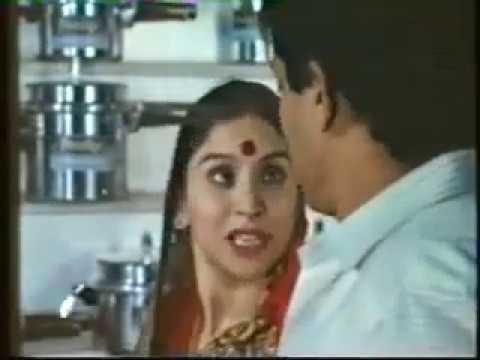
The Execution (Problem-Solution-Proof): The ad follows a classic Problem-Solution structure, framed within a simple retail interaction. The Setup occurs when the couple enters the shop to buy a cooker. The shopkeeper, played with gentle authority by Manohar Singh, introduces the 'Problem' not as a technical one, but an emotional one: 'How much do you love your wife?'. This question immediately reframes the entire transaction. The Solution is then presented on a sliding scale of affection, culminating with the '100% safe Prestige' as the only choice for a husband who truly loves his wife. This makes the brand the hero that resolves the emotional dilemma. The Proof comes via the animated demonstration. After establishing the emotional stakes, the ad provides the rational 'reason to believe' by showing exactly how the Gasket Release System works to prevent accidents. This technical demo validates the emotional promise. The Payoff is the husband's decision and the shopkeeper's delivery of the iconic tagline, which serves as the final, memorable encapsulation of the entire strategy.
The Debrief: The key lesson from this campaign is the immense power of a singular focus. Prestige didn't try to be the fastest, the shiniest, or the cheapest. It aimed to be the safest, and it linked that attribute to an emotion that no competitor could easily co-opt. The campaign demonstrates that when you own a tangible product benefit (the GRS) and connect it to an intangible human value (love), you create a brand position that is nearly unassailable. This ad built a market leader not by shouting louder, but by understanding its audience's deepest anxieties and aspirations.
Theme Keywords
Brand Position
The only pressure cooker for those who truly care about the safety of their loved ones.
Brand Archetype
The Caregiver
Creative Game Plan
Equate the choice of a Prestige pressure cooker with a tangible demonstration of a husband's love and concern for his wife's safety.
Diagnosis: Issues & Solutions
Primary Issue: Emotional Connection
The Problem:
The ad's emotional framework is entirely dependent on a patriarchal structure where the man is the protector and provider, and the woman is the passive recipient of his care. While highly effective in 1982, this framing appears dated and exclusionary by modern standards.
The Solution:
Modernize the dynamic. The brand later evolved the tagline to 'Jo apnon se kare pyaar' ('He/she who loves their loved ones'), broadening the scope. [8] A contemporary execution could show a couple making the decision together, or a woman buying it for her own peace of mind, shifting the emotional core from 'protection' to 'empowerment' or 'shared responsibility'.
Secondary Issue: Strategic Sense
The Problem:
The ad's success is so total in owning 'safety' that it risks leaving other potential benefits, like cooking efficiency, taste, or modern design, completely unaddressed, which could make the brand vulnerable to a competitor focusing on those aspects.
The Solution:
Layer secondary benefits without diluting the core message. A brief visual cue of a delicious meal or a mention of faster cooking time could be integrated subtly to add more dimensions to the value proposition, ensuring the brand isn't perceived as a one-trick pony.
Additional Notes
Credits
Share this Analysis
More Prestige ad breakdowns
- Endura Mixer Grinder | Every Type of Cook | Prestige ShubhutsavPrestige
- Prestige Efficia Gas Stove - With Extra Mileage | HindiPrestige
- 1990: Prestige Pressure CookerPrestige
- Svachh Gas Stove | Every Type of Cook | Prestige Shubhutsav 2025Prestige
- Milton MicroWow TVCMilton
- 1998: Hawkins - Mahima ChaudharyHawkins